
TRA








ESSAY
By Giovanna Gammarota
Living in the Invisible
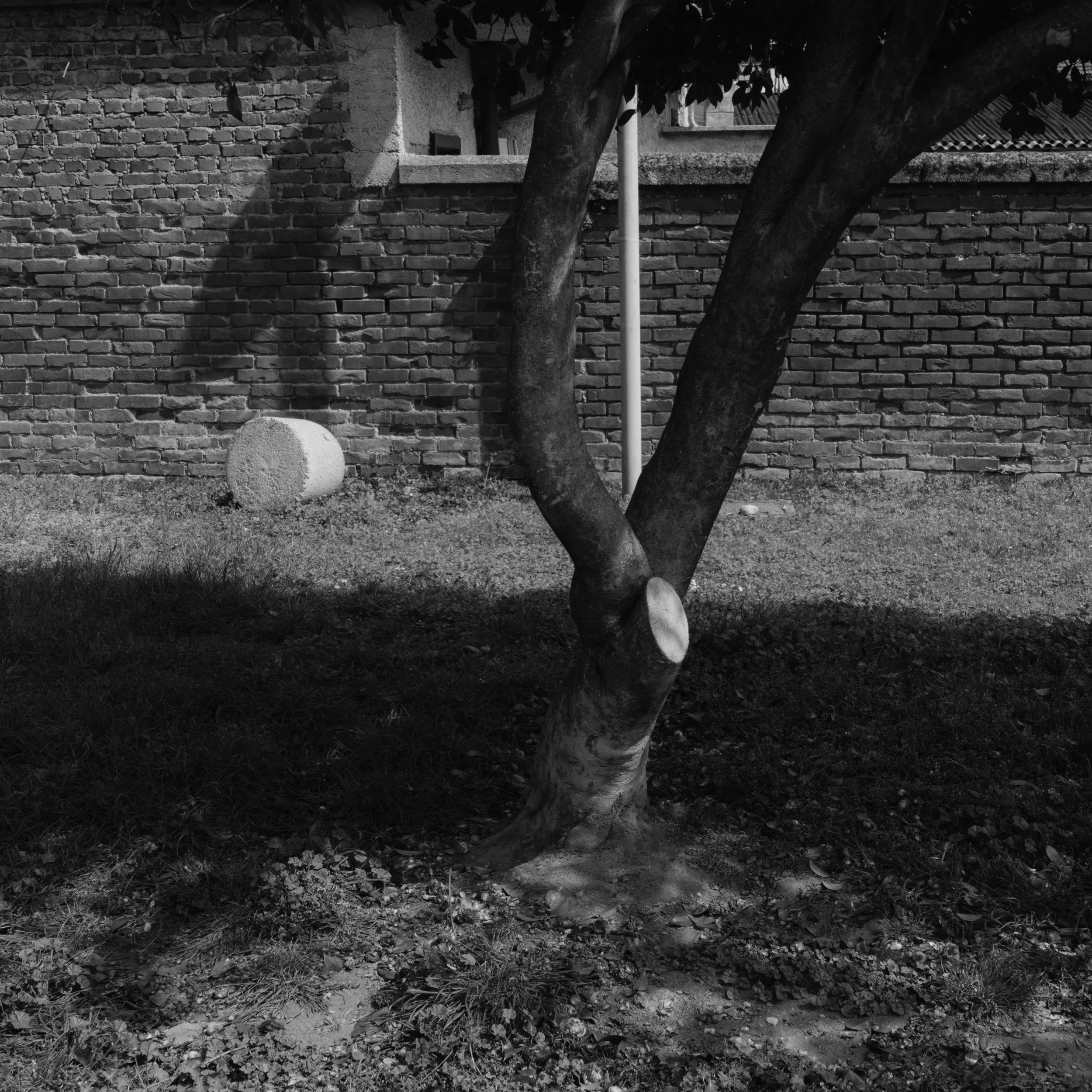
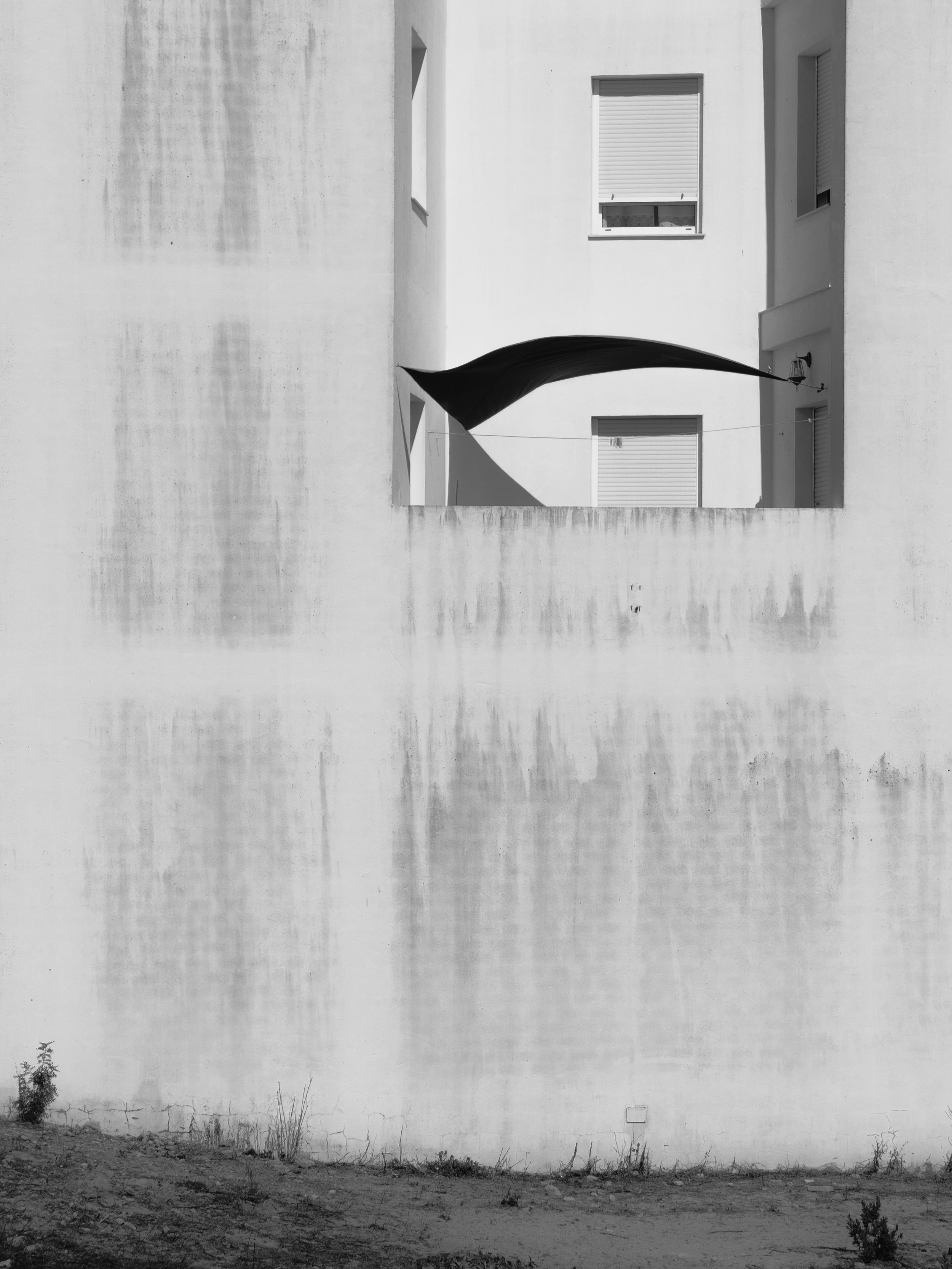
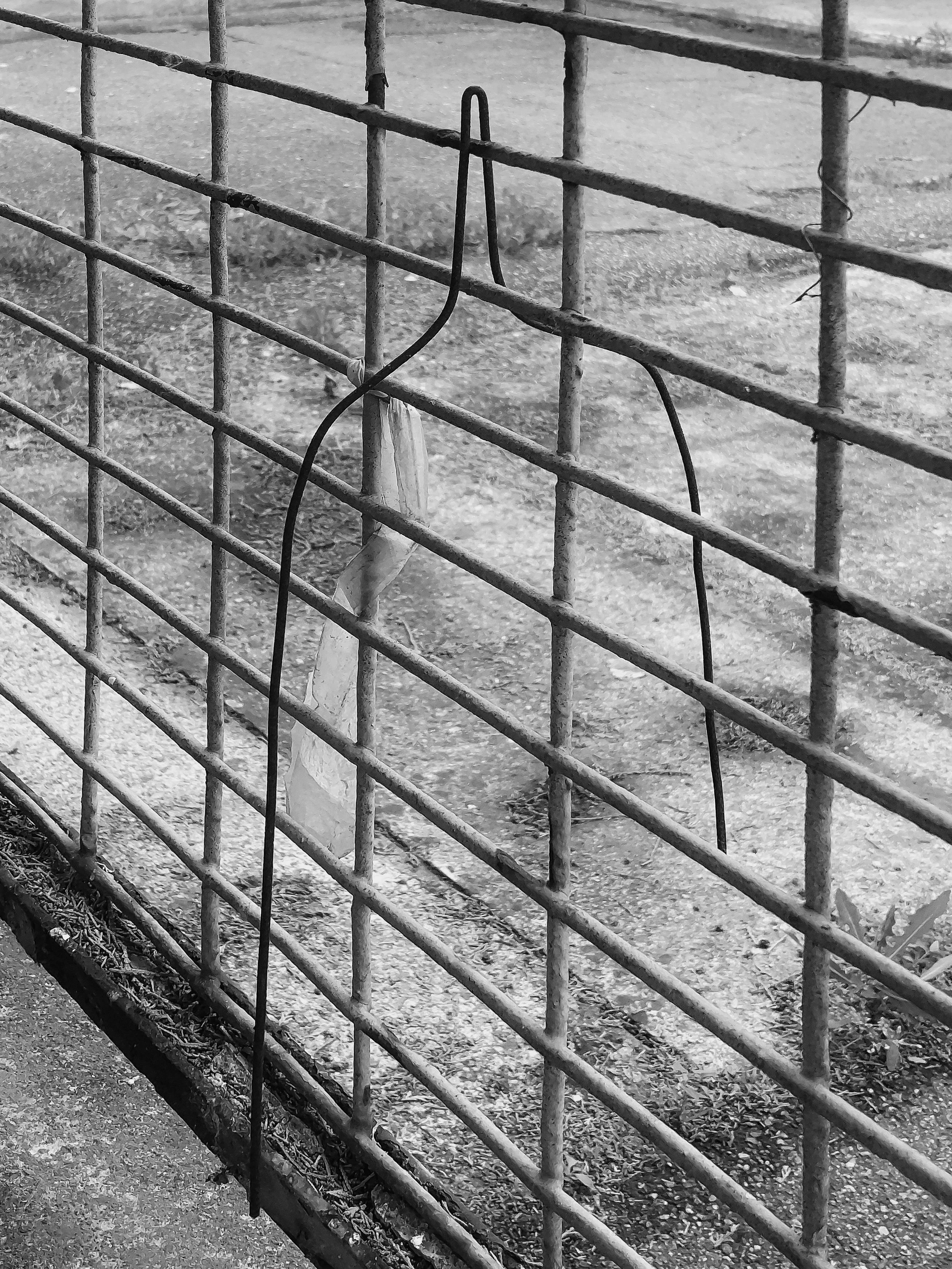
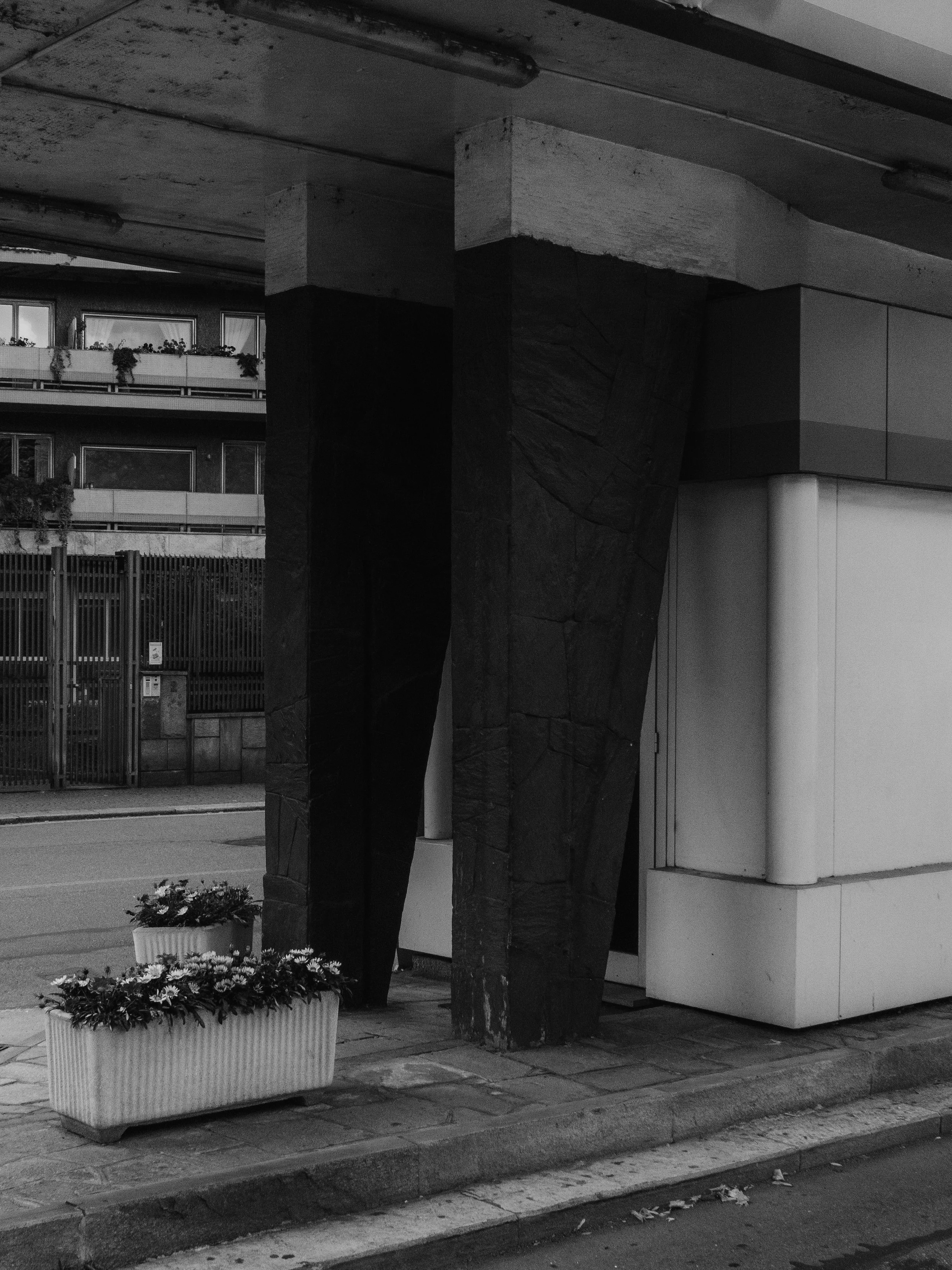
The ability to perceive space is not something everyone possesses. At any moment, one can pass from one place to another without even realising it. In some cases, however, something gradually comes into focus: an apparently insignificant detail that suddenly takes on a precise meaning for the observer. It is the first piece of a personal puzzle that begins to identify a reality made up of situations that recur yet are always different — for example, the same journey from one city to another, as in the case of Andrea Angelino Catella, the author of these images.
At first, everything seems automatic; reassuring habit numbs the journey. As time passes, when these automatic responses have made us accustomed to the route and we think we know it well, believing we have consciously registered its details, we begin to recognise signs that identify a different space and introduce an identity we have never perceived before. As our observation becomes more acute, more elements emerge, and everything that seemed invisible slowly takes the form of another, parallel place. A space that was anonymous a moment before thus becomes familiar, not because we pass through it often or recognise particular details — that belongs to the realm of habit, of the “visible” — but because we identify it with ourselves. It becomes personal, revealing what belongs to the realm of the invisible, to a deeper inner world. This is what happened during the artist’s habitual journeys between one country and another: at a certain point, his gaze registered “deviations” in the act of looking that compelled him to reflect and gave rise to an urgent need to photograph.
The most common definition of the Italian word “tra” — a preposition derived from the Latin intra, meaning “within” — denotes an intermediate position between people, objects, places or temporal boundaries: a space lying between two others. But it is not so simple. Here we will consider space as something that can be traversed. To begin with, there is a contrast between “passing through” space and the physical existence of space itself, which is theoretically still. Space exists concretely when a relationship is established with it, such as the act of crossing it. We are therefore both “within” and “beyond” that space. Yet being within is not a physical condition inherent in crossing: it is through the specific recognisability of the elements we observe as we pass that we become an integral part of that space. We belong to it and it belongs to us; we inhabit it.
The artist states that the images in this work are a rendering of these habitual journeys. While for many people Tra may be a segment separating two destinations — or connecting them — for him it represents the place where he lives. How can one make such a powerful statement about a space that is, in fact, a place of passage? It becomes possible because it signifies liberation from the ambiguous common understanding — it is merely a necessary route from A to B — and its transformation into a space of the imagination. Andrea Angelino Catella’s images refer to that instant when he consciously perceives himself as “unique” in that moment, in that space.
I insist on this element of uniqueness because I want to question the banality of seeing as something associated with the visible, and instead emphasise looking, which travels in close contact with the invisible. We usually think of the invisible as something mysterious. Popular culture has accustomed us — that word again — to describing in this way that particular sense of a presence that cannot yet be declared because “it cannot be seen”. The invisible is also sometimes described as “disturbing”, since it can almost never be explained in words: it is imaginal and therefore seems invented, in other words, untrue. Truth in photography would require a much deeper discussion, but this is neither the place nor the time.
I would return instead to the idea of tra expressed by the artist, who through this work seeks to make visible, first of all to himself, the place in which he declares he lives. One could stop at an initial, rather superficial interpretation, which nonetheless exists: “I live here” means this is the place where I spend a great deal of time, and therefore my existence unfolds here. In reality, things are much more complex. That “I live here” takes on the meaning of recognising oneself in a deep inner place that emerges only through the continuous repetition of an occurrence, always the same. It is like pointing the lens at the same spot every day, at the same time. Things happen around it, but the meaning of what unfolds becomes increasingly refined until it reveals the truth.
Some of you may remember Wayne Wang’s film Smoke (1995), based on a story by Paul Auster, in which Auggie Wren (Harvey Keitel), the owner of a tobacco shop in Brooklyn, places his camera on a tripod at the street corner every morning at eight. The lens, always facing the intersection, records what happens in that daily shot. Auggie does not watch the spot or wait for something to happen so that he can photograph it; he simply takes the picture. Having collected the images in several albums, one evening he shows them to his writer friend Paul Benjamin (William Hurt), who has recently lost his wife. At first, Paul flicks through dozens and dozens of images without “looking”, wondering what is special about them, since they are all the same. Auggie urges him to look more carefully, more slowly. Paul is sceptical and continues leafing through the albums until he comes across an apparently incidental image of his wife passing in front of the lens. His astonishment is so great that he weeps in disbelief. At that precise moment, in the space between Auggie’s lens and the intersection, Paul “sees” someone who is no longer there: an event that belongs to him.
It is this emergence that Andrea Angelino Catella’s photographs speak of: an emergence from the depths of the Self. This is the meaning of his living Tra.